



When it comes to protecting and improving our environment, it’s important that we all try to do our bit. As part of our ongoing environmental commitment, we’ve put together some information on how best to dispose and recycle your contact lenses, as well as the packaging they come in.
What can be recycled at home?
The packaging your contact lenses come in is made from a number of materials, such as cardboard, most of which can be recycled at home. There will be a slight variation between brands, so it’s always best to check the packaging and your local authority’s recycling service.

Cardboard packaging your lenses come in
The box your lenses come in can be recycled at local recycling points and through most household recycling collection schemes.

Solution bottles
These are usually made from HDPE (High-Density Polyethylene), a plastic that is widely used for household bottles such as shampoos and detergents.
They might also be made from PET (Polyethylene terephthalate), a plastic used for drinks bottles.
Both materials are easy to recycle in your household waste and should be done so with the cap on.
What is not practical to recycle at home?

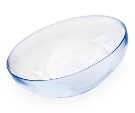
Contact lenses

Lens blister packs

Foil lid on blister packs
What should I do with my used contact lenses?
Contact lenses are not biodegradable and are generally made from plastic type materials, such as hydrogel, silicone hydrogel or non-hydrogel variants.
It is possible to recycle contact lenses but it’s usually not a practical option due to their small size and limitations of local authority recycling collections.
As a result, Specsavers has partnered with MYgroup, a recycling and waste disposal company, so that customers can recycle their contact lenses (and plastic contact lenses packaging) free of charge by bringing them into their local store.
Specsavers also offers free glasses recycling.
Recycling boxes can be found in all UK optical stores, so you can place your old or used contact lenses (including any plastic contact lenses packaging), in there, and it will be turned into something different and useful. We recommend you contact your nearest store to check they offer this before making arrangements to visit.
Please do not flush down the toilet or sink
How does the recycling process work?
Once full, the recycling boxes are collected by MYgroup and transported to its plastics recycling division in Hull. The contents are manually and mechanically sorted to separate out plastics and metals (for example, hinges and screws from glasses).
Plastic material is mechanically shredded and sent for remanufacturing into MYboard, which creates three layers of shredded plastic – two skin layers and a core. The shredded plastic is heated and pressed into each layer, and then the three layers are heated and pressed into a strong, durable and 100% recycled board, ready for a multitude of uses.
The recycled plastic boards are an ideal replacement for plywood and are used in construction, shopfitting, joinery and more. The MYgroup team also design and create a wide range of items made from the recycled plastic boards, including furniture and home and garden ware.
For more information about MYgroup and the recycling services they provide, please go to their website.

Click for more information on our sustainable commitments and our partnership
with plastic bank


