
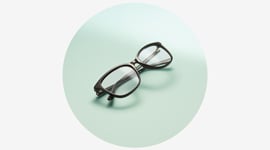

SuperReaders 1-2-3 take your traditional reading glasses to the next level. They’re our newest type of occupational lenses that are designed to give you clear, comfortable vision for close-up and intermediate distance tasks, whatever you’re up to.
The best lenses for close-up tasks
Single-vision reading glasses are a good solution but have limitations — they’re only suitable for near distances, meaning you may need multiple pairs of glasses for different tasks.
If close-up tasks are a regular part of your work or lifestyle, occupational lenses like SuperReaders 1-2-3 are a great alternative.
These lenses can make things a little easier on your eyes, so you don’t have to keep your reading glasses perched on your nose, swap over your specs, or move your head to find the perfect spot in the lens.
Designed for near and intermediate distance vision
SuperReaders 1-2-3 are ideal for people who regularly switch between close-up and intermediate distances, either for work or leisure. The different zones are nice and wide for clear, comfortable vision and make it easy to switch between the two distances.
This is particularly relevant now that our eyes are working even harder with our use of digital screens in daily life – SuperReaders can provide that extra help.
The ‘1-2-3’ represents the different intermediate distances available to suit you, with intermediate vision for one, two, and three metres away. Our team will be able to help you find the right ones for you.
SuperReaders 1
These provide clear vision from near tasks to a one-metre distance. So you can concentrate on close-up tasks for a prolonged time, keeping a natural posture.
SuperReaders 2
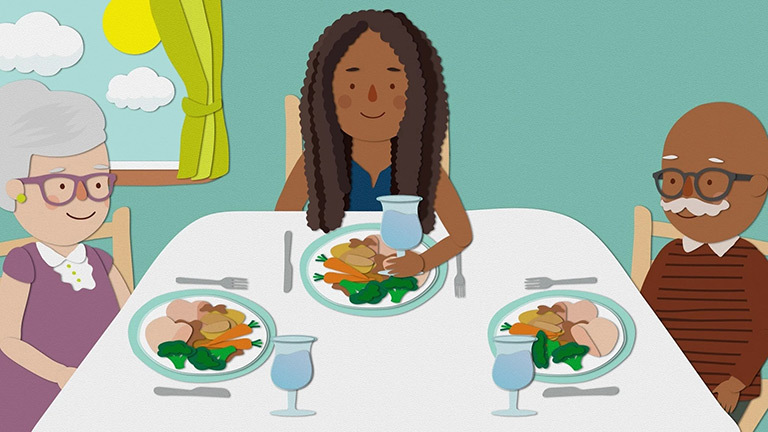
These are designed for near vision and tasks at a two-metre intermediate distance. Great for social situations in a small group and intermediate tasks that are slightly further away.
SuperReaders 3
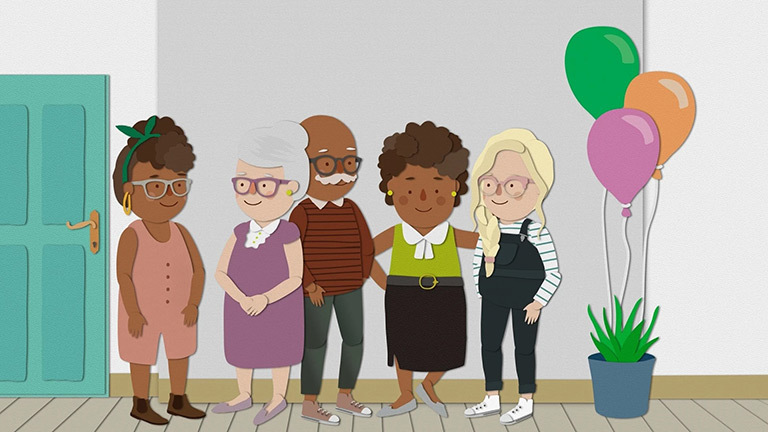
These occupational lenses are ideal for larger group situations, as they provide near vision and intermediate distance vision at three metres away.

One pair of glasses for work, rest and play
There’s a whole range of situations where SuperReaders can be of benefit, not just office work. The main difference from your typical occupational lenses is that they provide wider zones for better viewing for close-up and 1m, 2m or 3m tasks, whenever you need it.
Now that digital devices are part of the norm, they also feature built-in tech to make sure your vision is strain-free and comfortable when you’re quickly switching between different devices.
However, SuperReaders 1-2-3, like all occupational lenses, are not designed for driving. If driving is a key activity for you, then check out our SuperDrive varifocal lenses.
So whether you’re a teacher, hairdresser, beauty therapist, doctor, retail assistant, office worker, musician, sewer, painter, gamer (the list is endless) – ask our team about SuperReaders 1-2-3.
Which lens is used to correct presbyopia?
Presbyopia is the natural loss of elasticity in the eye’s lens that happens after the age of 40. This means that near vision gets harder to focus on.
If you don’t normally wear glasses, this can be corrected with some reading glasses. If you have glasses for distance vision already, then it might be time to try out some bifocal or varifocal lenses, which add another power to your existing prescription to help you with close vision. Our experts will be able to help you find the right option for you.