
New analysis shows that delivering more NHS eye and hearing care through community optometrists and audiologists could improve access, reduce pressure on hospitals and GPs, and deliver billions in economic benefits.
Access to Care 2026 at a glance
Access to Care 2026 combines Care Gaps research, policy analysis, patient experiences and expert insight from across the UK. It shows why community-based care must play a bigger role in the future of health services.
What is Access to Care 2026?
Access to Care is Specsavers’ blueprint for delivering more sight and hearing care in community settings, making greater use of primary care services to improve access, reduce waiting times and relieve pressure on hospitals and GPs. The model includes universal access to community urgent eye care, community glaucoma services, nationally commissioned primary care audiology services, and removal of prior visit notifications to improve access to care for people living in communal settings such as care homes.
Specsavers Access to Care 2026 report examines growing demand, variation in NHS provision, workforce challenges and opportunities to expand local care. It also presents new economic modelling of the wider benefits.
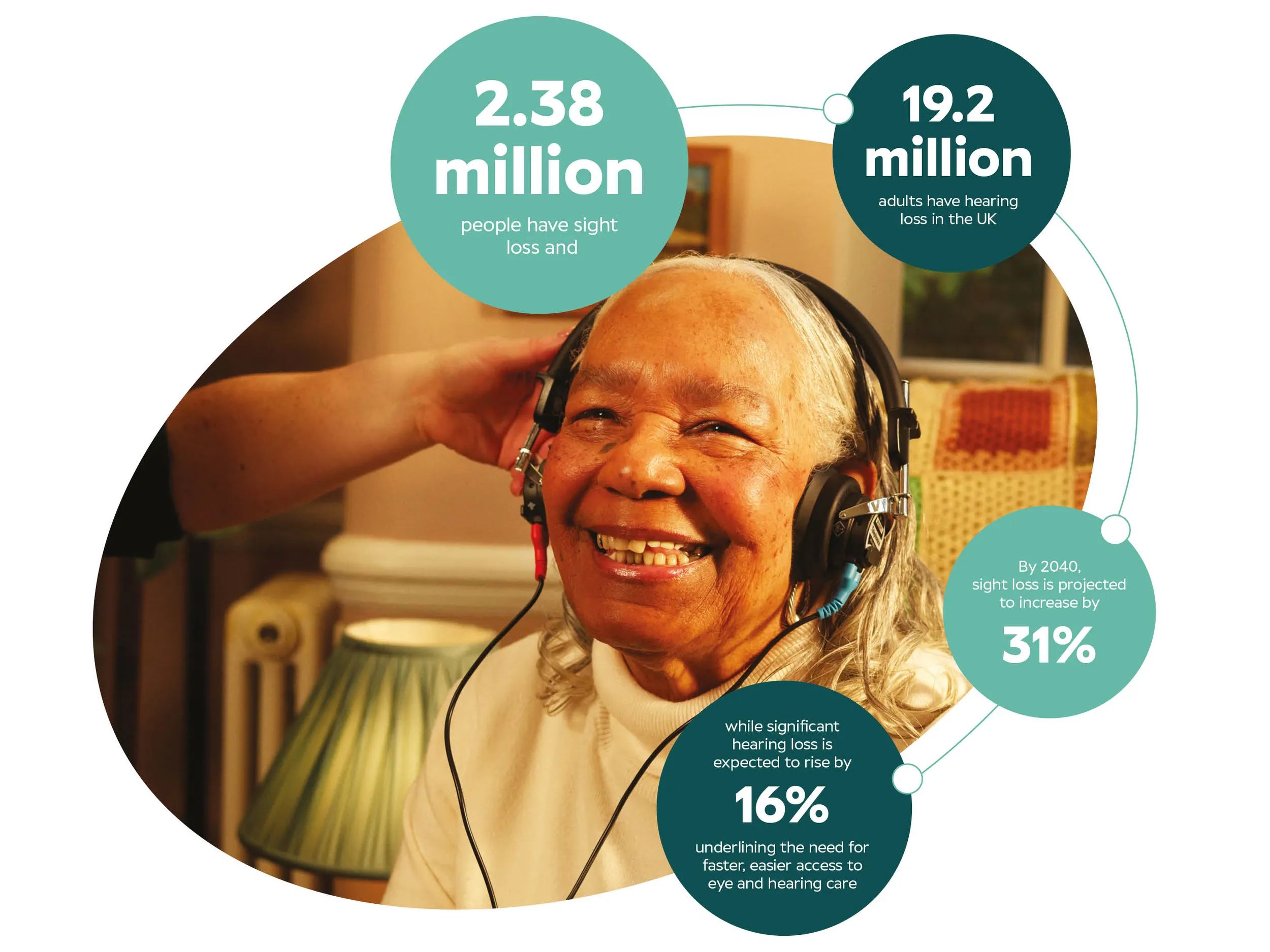
By 2040 the number of people with sight loss is expected to increase by 31% and the number with significant hearing loss by 16%.
The economic case for change
Sight and hearing loss affect employment, productivity, independence and quality of life, as well as healthcare.
The cost of sight and hearing loss to the UK economy will rise by £20 billion by 2040, from £106bn in 2025 to £126bn in 2040.
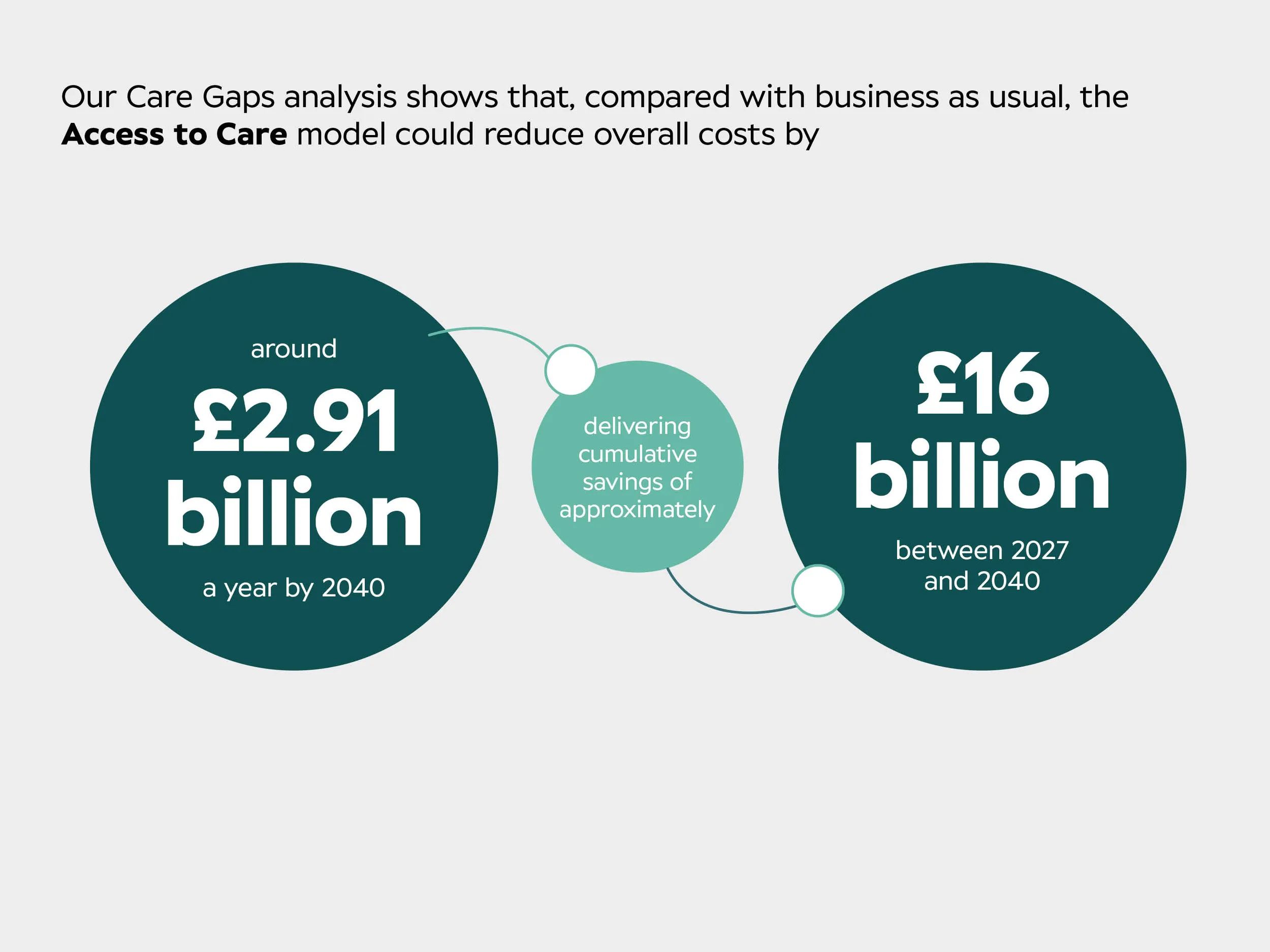
Our Care Gaps analysis, completed by Development Economics, shows that, compared with business as usual, moving more eye and hearing case into the community through primary care models could save the UK £2.91bn a year - £16bn by 2040.
What change is needed
A growing challenge
Demand for eye and hearing care is rising as the population ages and more people live with long-term conditions. Yet access remains inconsistent across the UK, with many patients facing delays and avoidable barriers.
Sight loss is projected to increase by 31%.
Significant hearing loss is projected to increase by 16%.
Without change, pressure on hospitals and outpatient services will continue to grow.
The Access to Care postcode lottery
How does access compare where you live?
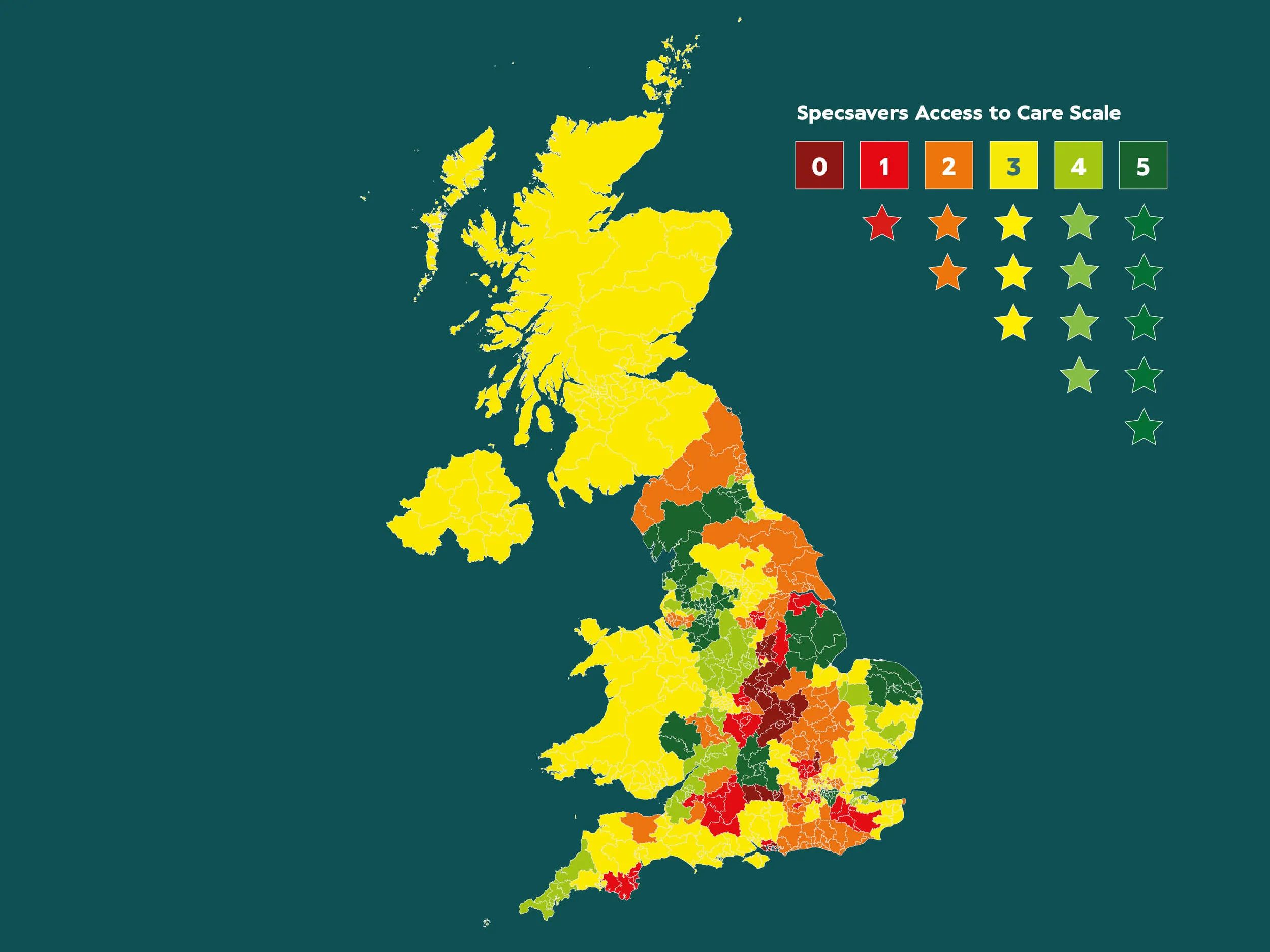
Specsavers Access to Care Scale measures the availability of community-based NHS eye and hearing services across parliamentary constituencies. It shows significant variation: some communities benefit from a wide range of local services, while others remain heavily reliant on hospital care.
The case for community care

Community urgent eye care
Rapid assessment and treatment for eye conditions and injuries through local optometrists, reducing demand on GPs, hospital eye services and A&E.

Community glaucoma services
Detection, monitoring and management closer to home, reducing unnecessary hospital appointments and supporting earlier intervention.
Community audiology
Faster access to hearing assessments, hearing devices and ongoing support through local, accessible services.
The evidence is clear
Wider adoption of proven community services could improve access, support prevention, reduce pressure on hospitals and deliver significant economic benefits.
People, Innovation and Impact
Real stories, real impact
Changing lives through better sight and hearing
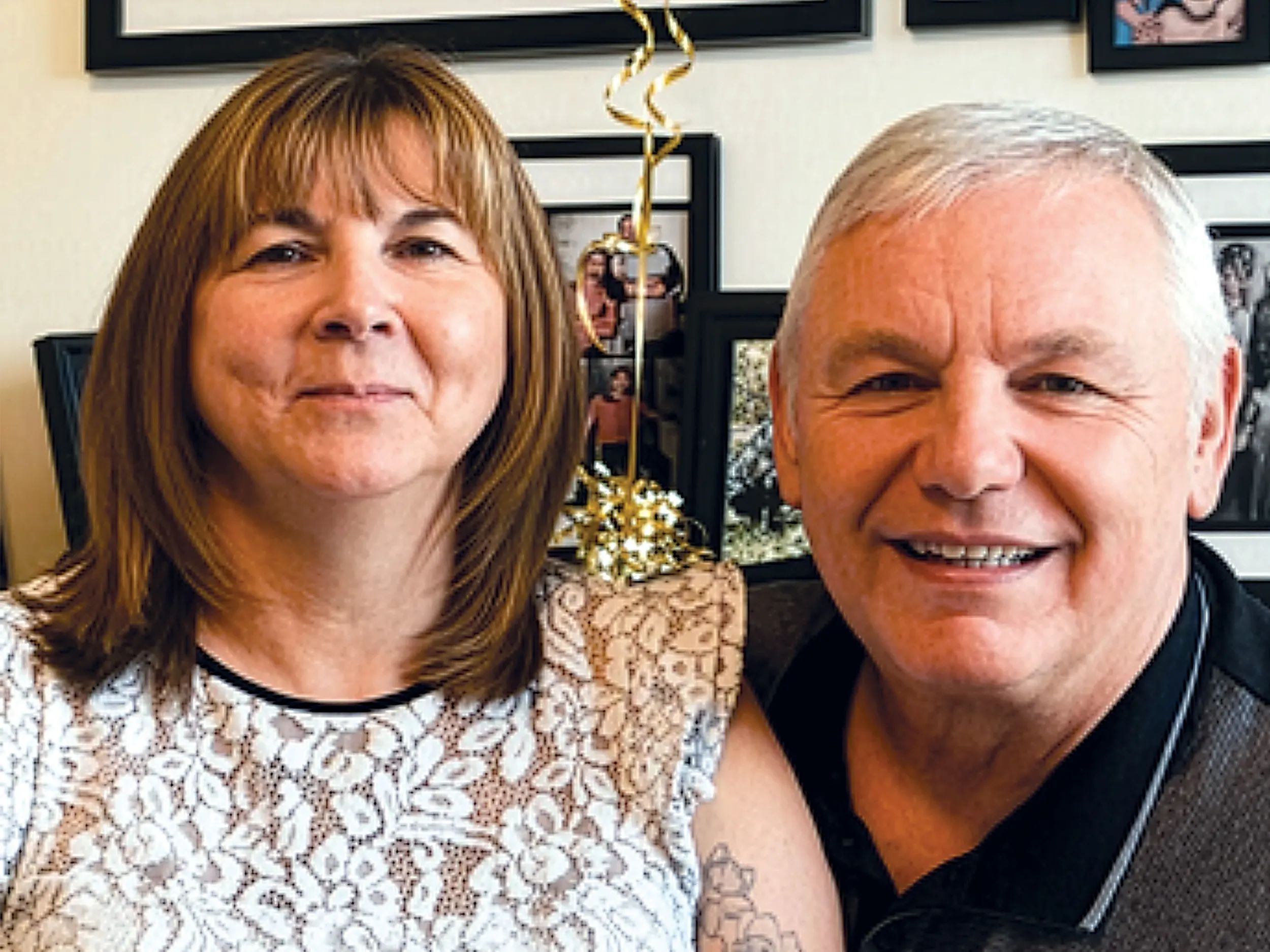
“I didn’t realise how much I was missing.” After years of untreated hearing loss, Paul Blanchard found that hearing aids helped reconnect him with family conversations and everyday moments.

The report also shows how community care can detect childhood sight conditions, support older people to maintain independence and quality of life, and improve access for underserved groups, including people experiencing homelessness, through partnerships with charities and community organisations.
Specsavers’ nationwide Charity VIP scheme has provided free eye and hearing care to more than 7,000 people experiencing homelessness since 2022. Through pop-up clinics, out-of-hours sessions, domiciliary visits and partnerships with organisations including Crisis, Big Issue, Vision Care, Simon Community, Focus Ireland and Every Youth we are helping remove barriers to healthcare and demonstrating how businesses can support efforts to tackle health inequalities.
‘They made me feel really welcome. I genuinely felt like a VIP guest.’ Jack, Bristol vendor.
Innovation improving access to care
Harnessing AI to save sight
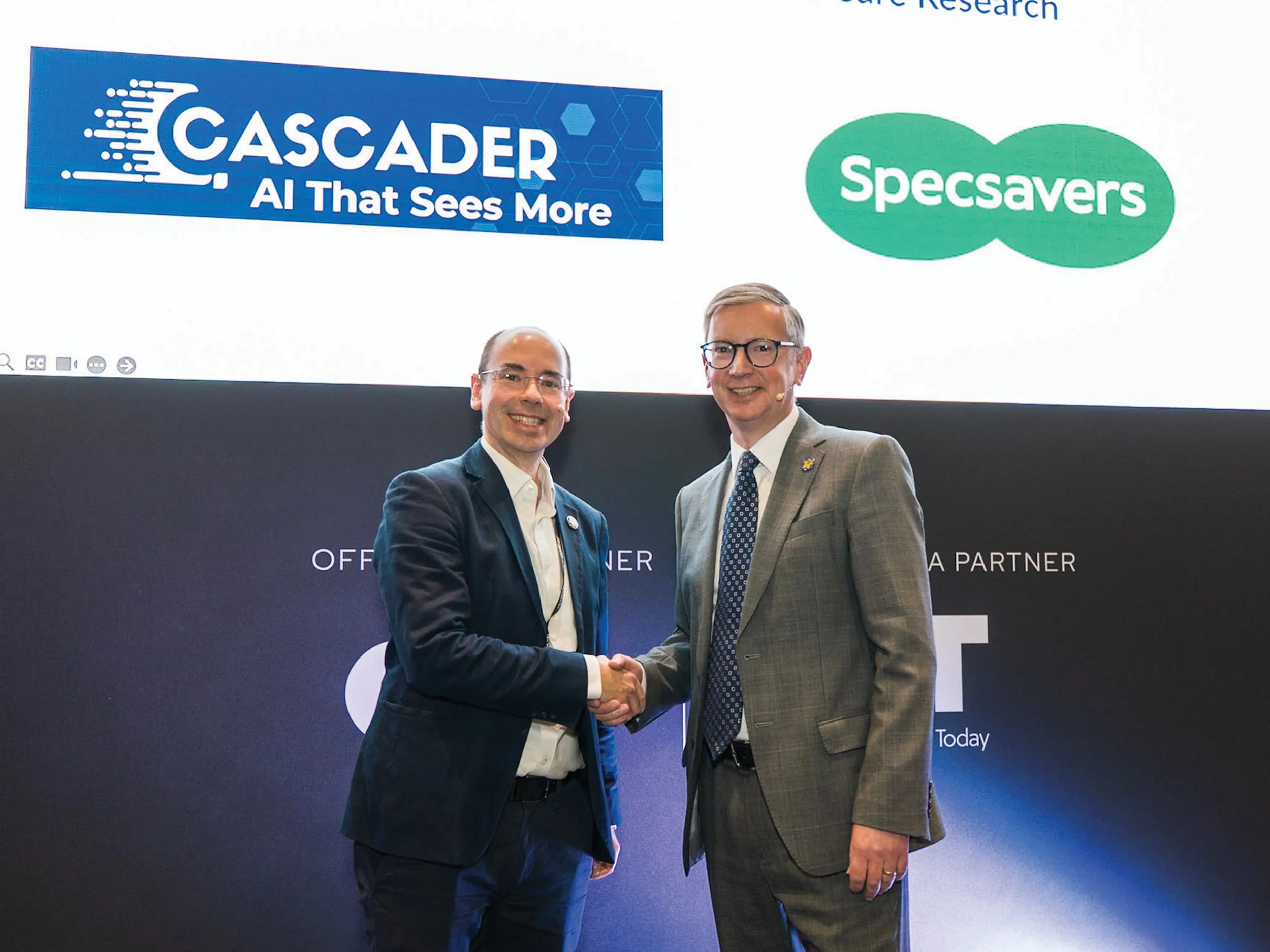
Specsavers is working with medical AI company Cascader to explore how artificial intelligence can support earlier disease detection and improved community-based care.

Supporting pioneering research
Partnerships with universities and healthcare organisations are helping explore new ways to improve patient outcomes and reduce pressure on the NHS.
'This trial is an example of the type of pioneering research that could ease pressure on the NHS through innovative community-focused collaboration with industry.'
Professor Alex Sinclair, Chief Investigator on IIH Advance Trial
Building connected care pathways
Closer collaboration between community services and hospitals can improve patient journeys and reduce delays
Building the workforce we need
Community eye and hearing care depends on a highly skilled workforce. The report explores advanced qualifications, apprenticeships, professional development and lifelong learning, with these stories:
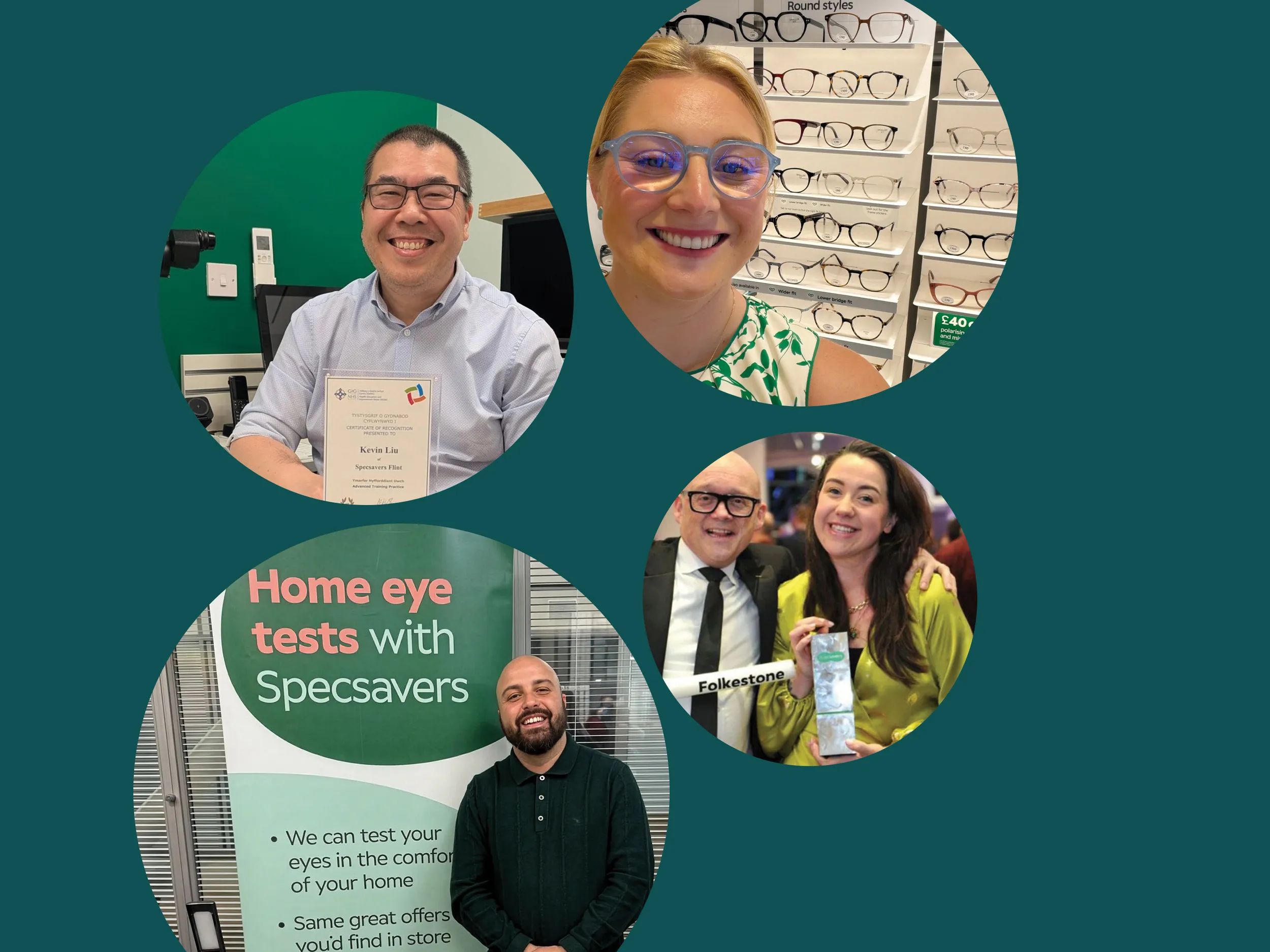
Emily Head began her career as an optical assistant at 16. She became a qualified dispensing optician and practice manager and now serves on the Specsavers UK Optics Board.
Kevin Liu helped establish Greater Manchester’s Glaucoma Enhanced Referral Service, improving community care for glaucoma patients. Now working in Wales under the Welsh General Ophthalmic Services (WGOS) framework, he delivers advanced eye care and trains future independent prescribing optometrists.
Manolis Votskis says, ‘Access to NHS hearing care should not depend on where someone lives.’ He provides NHS home visits in the Wirral and Liverpool, but comparable support is unavailable in Warrington. A consistent national commissioning approach is needed to end these inequalities.
Rozie Phelan-Beadle says ‘At Specsavers Folkestone and Ramsgate, eye and hearing care are delivered by one integrated team. By understanding both services, colleagues identify support needs earlier and help people stay connected, independent and healthier for longer’.
Expert perspectives
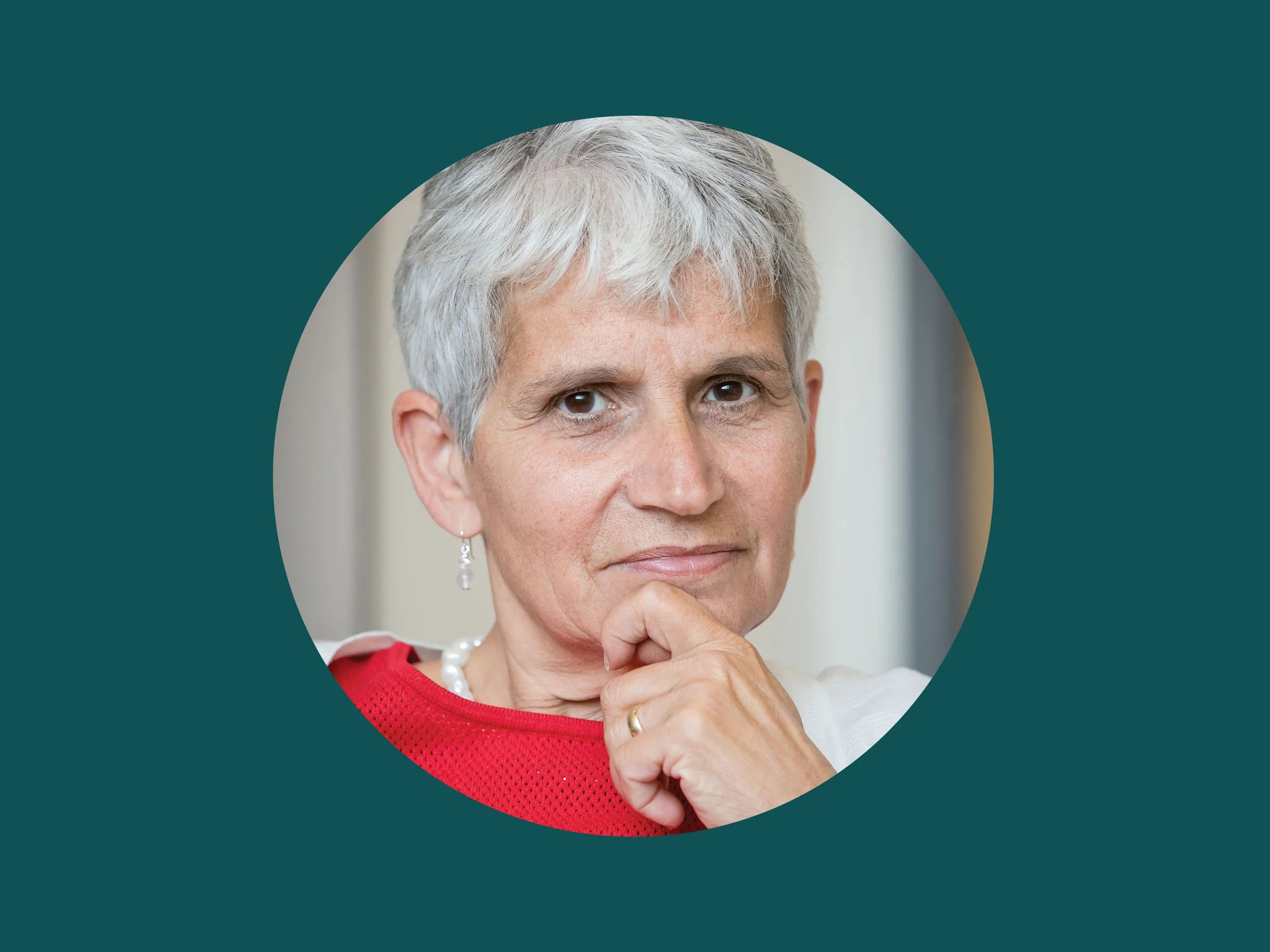
Healthcare leaders, professional bodies, charities and patient organisations contribute to the report, The College of Optometrists, NHS leaders and professional representatives from across the UK.
‘This report sets out a credible solution: greater use of community-based eye and hearing services, enabling more people to receive timely care closer to home while reducing pressure on hospitals and GPs.’
Baroness Clare Gerada, Cross Bench Member of the House of Lords and former President of the Royal College of GPs
Frequently asked questions
Specsavers' annual report on how more NHS eye and hearing care can be delivered through community services. It combines research, patient stories and policy recommendations.
Providing more appropriate care through local optometrists and audiologists rather than hospitals, improving convenience and access.
NHS services such as urgent eye care and glaucoma monitoring delivered through local optometry practices.
Hearing assessments, hearing aids and ongoing support delivered through local providers rather than hospital-based services.
A measure of access to NHS community eye and hearing services across parliamentary constituencies, highlighting regional differences.
The range of local NHS community services varies significantly, creating unequal access throughout the UK.
Independent analysis suggests wider adoption could generate approximately £16 billion in cumulative savings between 2027 and 2040.
Expanding local services could reduce unnecessary hospital appointments and allow specialist teams to focus on patients with the greatest clinical need.
Greater use of community urgent eye care, glaucoma and audiology services so patients can receive timely care wherever they live.
Download Access to Care 2026
Community optometrists and audiologists are already helping millions of people access care closer to home. Access to Care 2026 shows how wider adoption of proven community-based services could improve access, support prevention, reduce pressure on hospitals and deliver significant economic benefits.
If you would like to receive an accessible word version of the report, please email pressoffice@specsavers.com